.TXxvyLsC_Z1Ajpfu.svg "1966 Quarter Value")
1966 Quarter: Unveiling the True Value of a Classic Coin
Introduction
The 1966 Washington Quarter, a popular coin among collectors, is known for its lack of a mint mark and unique historic significance. With a composition of 75% copper and 25% nickel clad over a pure copper core, the coin marked a post-silver era for U.S. quarters, heightening its collector interest. Here, we delve into the key attributes and specifications of the 1966 quarter.
| Specification | Description |
|---|---|
| Denomination | Quarter (25 cents) |
| Composition | 75% Copper, 25% Nickel (clad over copper) |
| Weight | 5.67 grams |
| Diameter | 24.3 mm |
| Thickness | 1.75 mm |
| Edge | Reeded |
Mintage
The 1966 quarter value does not feature a mint mark, as the United States Mint ceased including them from 1965 to 1967 to discourage collectors from hoarding coins during the nationwide coin shortage.Although specific mintage figures were not publicly separated by mint, production was continuous at the Philadelphia Mint, contributing to general estimates of over 821 million pieces, which collectors can track and verify using a free coin identifier app or a free coin scanner app.
1966 Quarter Value
When considering the value of a 1966 quarter, it’s essential to understand that prices can vary significantly based on various factors such as coin condition, rarity of specific errors, and market demand. Thus, the values listed below are approximate retail ranges that can fluctuate over time and by grade, auction results, and grading service.
| Condition | Average Value (USD) |
|---|---|
| Circulated | $5 - $8 |
| Uncirculated (MS60–MS66) | $10 - $30 |
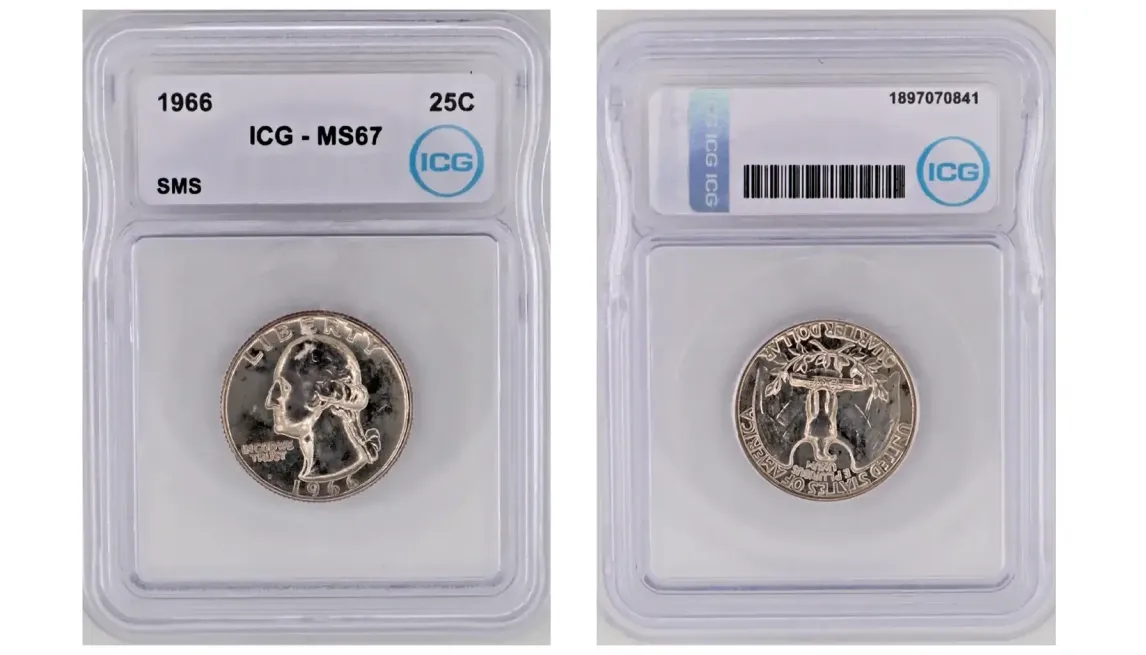
| High-Grade Uncirculated (MS67+) | $200 - $500+ |
| Error Coins (e.g., die chips) | $50 - $1000+ |
Factors That Influence the Value of a 1966 Quarter
Mint Mark and Mintage: Unlike earlier quarters, the 1966 Washington quarter does not have a mint mark, as the Mint suspended mint mark usage during this period to combat coin shortages. Its mintage was significant, yet well-kept specimens can fetch higher prices.
Condition and Grade: Condition is king when it comes to numismatics. Utilizing the Sheldon Scale from 1 to 70, the finer the grade, the more valuable the quarter. Coins certified by reputable grading services can also influence value.
Metal Composition: The 1966 quarter is composed of a copper-nickel clad, unlike earlier silver issues, impacting its intrinsic value slightly.
Errors and Varieties: Verified mint errors, such as doubled dies or die cracks, can substantially increase the value of a 1966 quarter. Collectors pay particularly well for distinctive errors authenticated by professional grading services.
Rarity and Errors of the 1966 Quarter Value
The 1966 quarter, part of the Washington quarter series, holds a special place in numismatic collections due to certain errors and varieties that enhance its allure. While the 1966 quarter is relatively common, certain mint errors can significantly boost its value and attract keen interest from collectors.
Known Errors of the 1966 Quarter
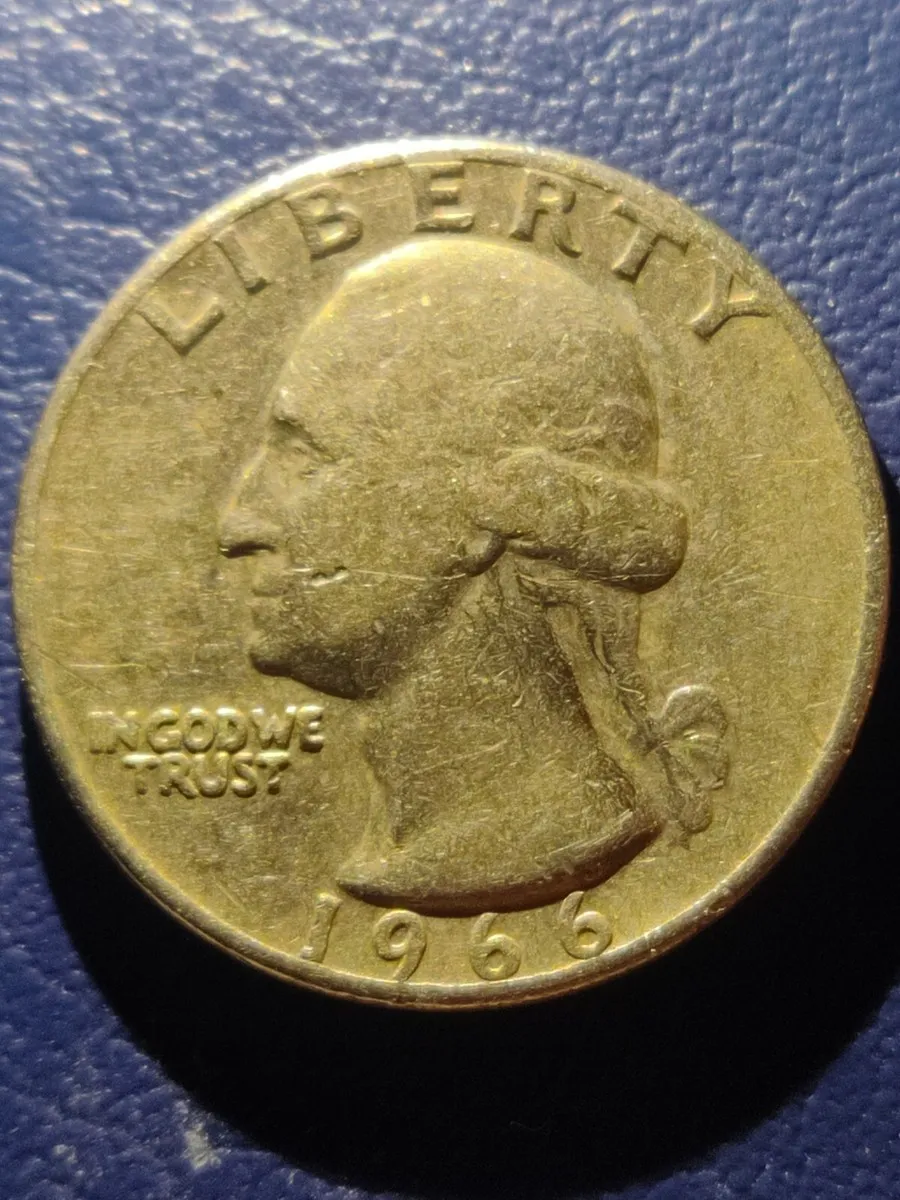
- Double Die Obverse
- Description: This error occurs when the die strikes the coin twice, leading to a noticeable doubling of the design elements, particularly on the obverse of the quarter. Collectors often find such instances across Washington’s profile and the inscriptions.
- Estimated Value (USD): $150 – $500+
- Rarity Level: Uncommon
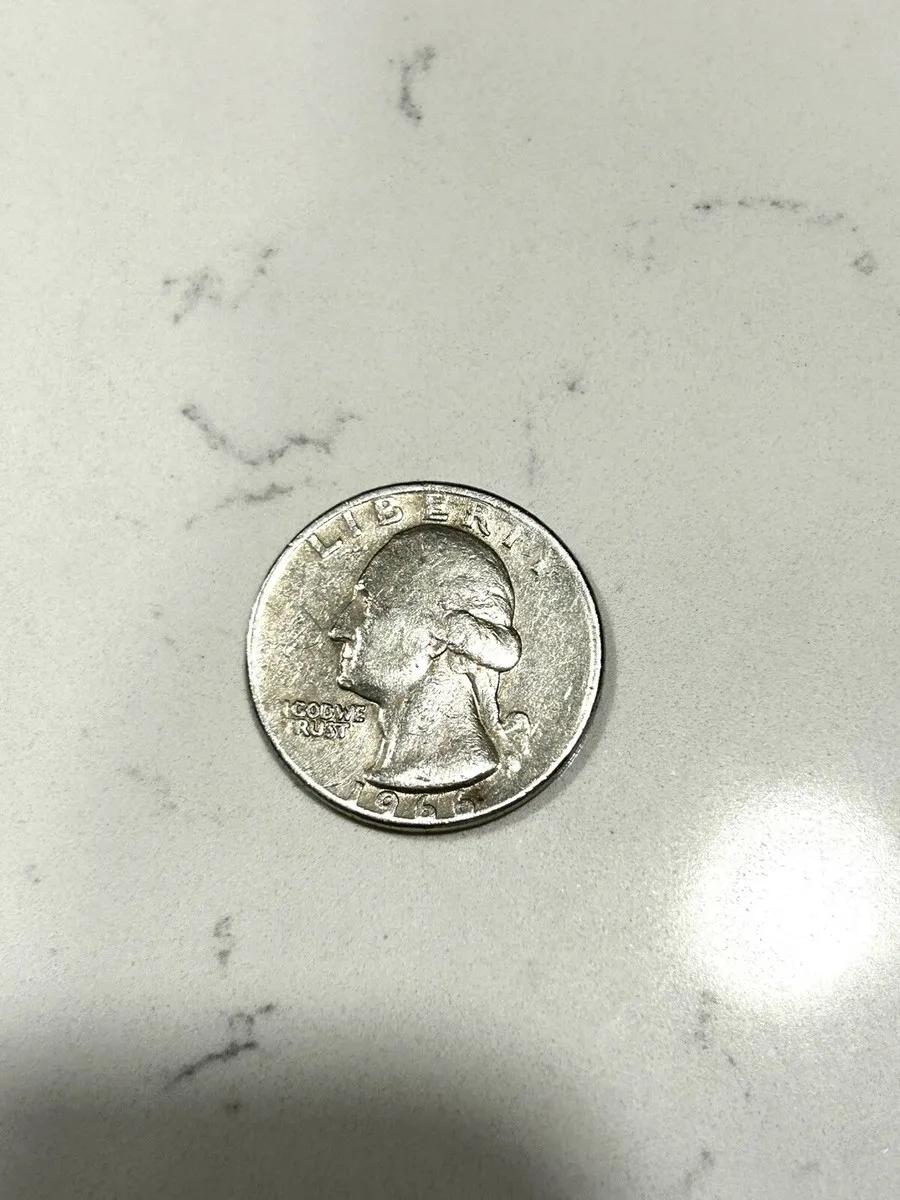
- Die Clash Marks
- Description: Die clash marks appear when the front and back dies collide without a planchet between them. This leads to a ghost-like image of the reverse design on the obverse side of the coin.
- Estimated Value (USD): $20 – $100+
- Rarity Level: Common
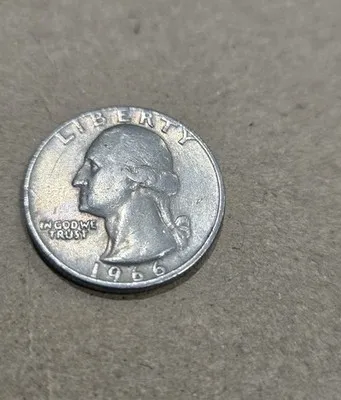
- Off-Center Strike
- Description: Occurs when the planchet is not properly aligned during the strike, leading to a coin with a portion of its design missing. These quarter errors vary in degree, with more extreme offsets adding greater value.
- Estimated Value (USD): $50 – $200+
- Rarity Level: Uncommon
Price Impact Summary
Minor Errors: Minor die chips or light defects on the 1966 quarter can enhance its value modestly, appealing mostly to collectors interested in completing error sets.
Major Errors: Dramatic or visually apparent errors such as off-center strikes or significant double dies often demand higher prices due to their distinctiveness and rarity.
Condition Impact: Coins in higher Mint State grades, especially those with no distracting blemishes, command premiums in error variants. Error coins graded MS67 or higher are rare and more desirable.
Authentication: To ensure accuracy, collectors should seek coins authenticated by reputable grading services such as PCGS or NGC, as third-party verification can attest to the legitimacy and rarity of the error.
Mint Marks & Mintage
The 1966 Washington quarter is unique in that it does not bear a mint mark. This absence of a mint mark is due to a decision by the U.S. Mint to omit mint marks between 1965 and 1967 to discourage coin hoarding during a period of reduced silver content in coins. As a result, all 1966 quarters were produced as “no mint mark” coins.
Table: 1966 Quarter Mintage
| Year | Mint Location | Mintage Figures |
|---|---|---|
| 1966 | Washington (No Mint Mark) | 821,101,500 |
The significant production volume of 1966 quarters means they are generally not considered scarce. However, the mint’s decision to produce coins without mint marks during this period remains a particular point of interest among numismatists.
The high mintage figures imply that while the coin is common from a sheer numbers perspective, factors like grade and condition can still significantly influence its desirability among collectors. Furthermore, any verified error or variety of a 1966 quarter can enhance its value, making diligent variation identification crucial for collectors seeking rare opportunities within what might appear to be a common issue.
To thoroughly evaluate such details for your collection, consider using resources like the Coin ID Scanner App on iOS or Android. These tools can assist in assessing the specifics that contribute to a coin’s overall value.
1966 Quarter Value Facts and Trivia
Design Details
Obverse: The obverse of the 1966 Washington Quarter features the iconic portrait of George Washington, facing left. This design has been a staple of the U.S. quarter series since it was first introduced in 1932. Masterfully crafted by sculptor John Flanagan, the design emphasizes Washington’s statesmanlike presence.
Reverse: The reverse showcases a majestic bald eagle perched on a bundle of arrows, with olive branches beneath. This imagery symbolizes peace and readiness, encapsulating the American spirit.
Inscriptions: “LIBERTY”, “IN GOD WE TRUST”, “QUARTER DOLLAR”, and “UNITED STATES OF AMERICA”
Year: 1966
Release Information
Release Date: 1966
Series Context: The 1966 quarter is part of the broader Washington Quarter series, a staple in U.S. coinage. It continued the transition from 90% silver to a copper-nickel clad composition, which began in 1965.
Historical Significance: Marking the second year after the cessation of silver in circulation quarters, the 1966 quarter represents a pivotal shift in American numismatics during the Coinage Act of 1965.
Quick Facts
- Composition Change: The switch from silver to a copper-nickel clad design was a response to rising silver prices and widespread silver coin hoarding.
- No Mint Mark: Unlike earlier and later quarters, the 1966 quarter does not feature a mint mark, reflecting production changes during the transitional period.
- Production Volume: With a mintage of over 800 million, the 1966 quarter is one of the more common mid-20th century quarters, making circulated examples easily accessible to collectors today.
Collecting the 1966 Washington Quarter
Collecting the 1966 Washington quarter can be a rewarding experience for numismatists, from beginners to seasoned collectors. Here are some practical steps to help you build and refine your collection:
Identify Key Variants and Errors: Begin by familiarizing yourself with the unique features and potential errors of the 1966 quarter. This includes identifying major die errors or particular coins with distinctive markings that can greatly increase their value.
Grade Your Coins: Understanding coin grading is essential. Use the Sheldon Scale to evaluate the condition of your 1966 quarters. Higher-grade coins, especially those in MS (Mint State) condition, typically carry more value.
Build a Diverse Portfolio: Ensure your collection includes a variety of conditions and any known error coins. This approach not only diversifies your portfolio but can be a hedge against shifts in numismatic market trends.
Use Reliable Resources: Utilize reputable resources to verify and authenticate coin details. A third-party grading service, such as PCGS or NGC, can provide this assurance, especially for potentially high-value coins.
Join Numismatic Communities: Engaging with other collectors can provide valuable insights and tips. Joining local coin clubs or online forums allows you to exchange knowledge and stay updated on market trends.
Stay Informed on Market Trends: Keep abreast of market dynamics and recent auction results. Being aware of market trends will equip you with the information needed to make informed purchasing decisions.
Utilize Technology: Leverage technology by using to easily identify and assess the value of your 1966 quarters. These tools can be especially helpful for new collectors, offering guidance on identification and valuation.
FAQ
Is a 1966 quarter made of silver?
No, 1966 quarters contain no silver. They are composed of a copper-nickel clad layer over a pure copper core, a composition introduced in 1965 due to rising silver prices and a national coin shortage.
How much is a 1966 quarter worth?
Most circulated 1966 quarters are worth only their face value of 25 cents to about 50 cents. However, coins in pristine, uncirculated condition (Mint State or MS-65 and higher) are sought by collectors and can fetch between $15 to over $21,000 for exceptionally high grades or specific rare varieties.
Why is there no mint mark on my 1966 quarter?
All 1966 Washington Quarters were minted in Philadelphia and intentionally lack a mint mark. The U.S. Mint omitted mint marks from all quarters, dimes, and half dollars produced between 1965 and 1968 to discourage hoarding during the transition from silver to clad coinage.
Are 1966 quarters rare?
In general, no. Over 821 million regular 1966 quarters were produced, making them very common. Rarity and high value only apply to a selected few uniquely preserved coins (e.g., MS-67 or higher grade) and those with significant mint errors.
What kind of errors should I look for?
Error coins can be valuable. Look for: Off-center strikes, where the design is not centered on the coin planchet. Doubled Die Reverse (DDR) errors, which show distinct doubling in the lettering on the reverse side (especially around the words “UNITED STATES OF AMERICA” and “QUARTER DOLLAR”). Coins mistakenly struck on a silver planchet (which would be extremely rare and highly valuable)
What were "Special Mint Sets"?
The U.S. Mint did not produce traditional proof coins in 1966. Instead, they issued Special Mint Sets (SMS), which were higher quality than regular circulation coins but lower quality than proof coins. These sets also lack a mint mark and can be more valuable than their circulating counterparts, especially in high grades with “Cameo” (CAM) or “Deep Cameo” (DCAM) contrast.
How can I determine the exact value of my coin?
The value depends heavily on its condition, or “grade”. For potentially valuable coins (uncirculated condition or with errors), it is recommended to have them professionally graded by a third-party service like the Professional Coin Grading Service (PCGS) or the Numismatic Guaranty Corporation (NGC).